CEX.IO PRIME · LIQUIDITY
Best Execution & Smart Order Routing
One crypto liquidity aggregator reaches 15+ centralised and decentralised venues. You send one order, the engine routes it, and the fill lands on the same account that holds your assets and settles your payments.


One order book
Prime Liquidity shows open orders from connected liquidity providers as one book you trade against.
Four ways to connect
Trade in the web portal or connect your systems over REST, WebSocket or FIX 4.4.
Open 24/7
Prime Liquidity runs every day of the year with no holidays, and announces maintenance windows in advance.
What Is Best Execution in Crypto?
Best execution is the duty of a firm to get the best possible result when it executes a client order. The idea comes from traditional markets, where MiFID II sets it for investment firms in the EU. For crypto, Article 78 of MiCA applies the same duty to crypto-asset service providers that execute orders for clients.
Crypto makes the task harder. The same pair trades on many venues at once, each with its own price and depth, and no consolidated tape links them. A price that looks good on one screen can move away as soon as a large order starts to fill.
The best result depends on more than the quoted price. MiCA names the factors a provider has to weigh:

Price
The price at which each part of the order fills.

Costs
Trading fees and any other charges attached to the order.

Speed
How fast the order reaches the market and fills.

Likelihood of execution and settlement
The chance that the full order fills and settles.

Size
Large orders move thin order books, so size changes the price you get.

Nature and custody
The type of asset and the way the provider holds it in custody.
What Is Smart Order Routing?
Smart order routing is software that decides where to send an order, in what size and in what sequence. It reads prices and depth across several liquidity sources and sends each part of the order to the source with the best terms at that moment.
Take a buy order larger than the offers at the top of one order book. On a single venue the order eats through the best levels and fills the rest at higher prices. A router spreads the same order across several books, so each part fills closer to the best price and the average price stays nearer the market.
This page covers routing between centralised liquidity providers and exchanges. Aggregators that swap tokens through DeFi pools use the same name for a different job.
How CEX.IO Prime's Smart Order Routing Works
Every order passes through the same six steps. The sequence follows the Prime Liquidity API documentation.

Check funds and hold
Prime checks that the account holds enough funds for the order and the maximum fee, then places a hold on that amount. If funds fall short, Prime rejects the order and holds nothing.
Read the book
Prime reads open orders from every liquidity provider in the aggregation. A market order takes the best price available at that moment.
Split the order
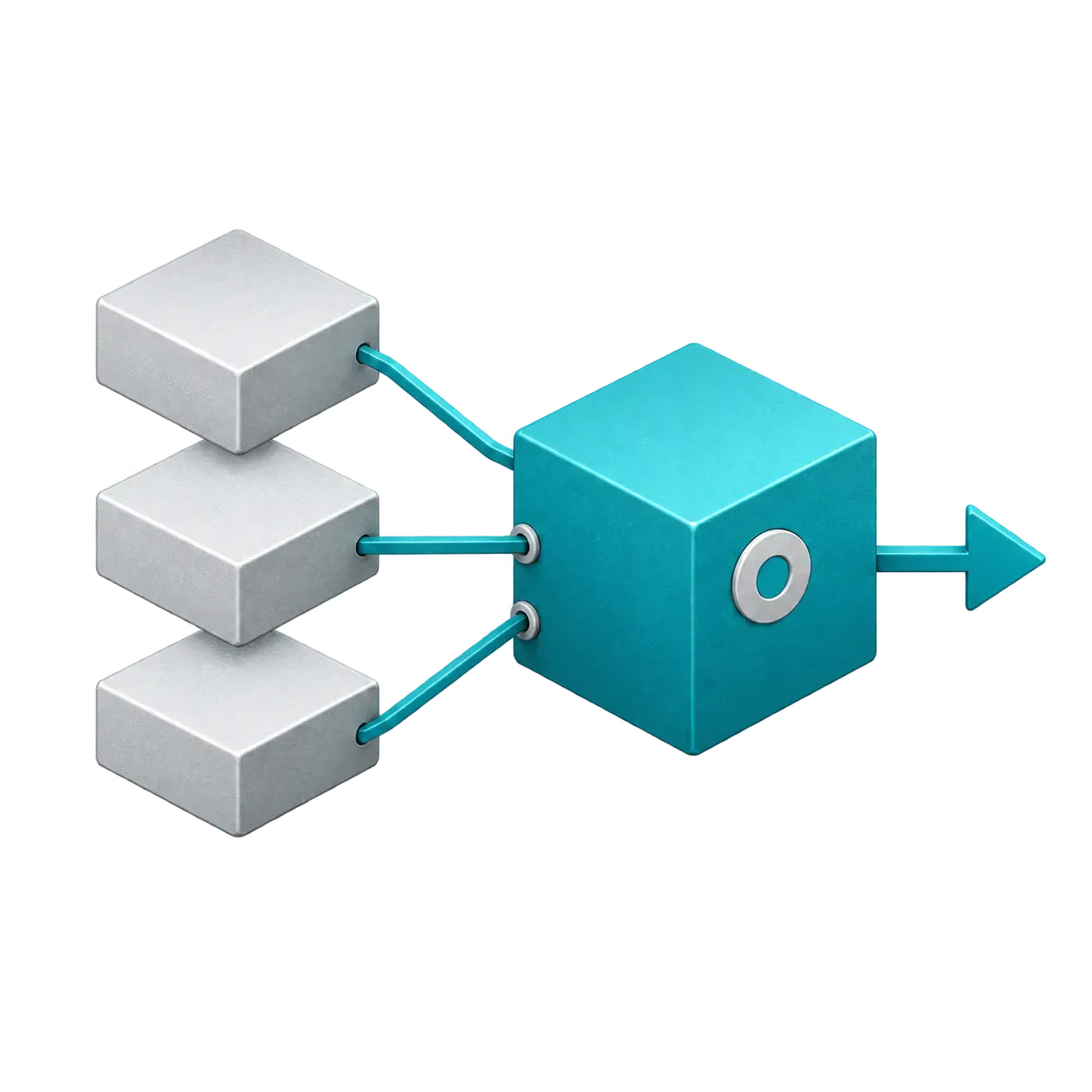
The algorithm splits the order across top trading venues in the most efficient way for the size you send.
Place limit orders
A limit order goes to the provider where it has the best chance to fill. It stays there under the time in force you set.
Watch provider health
When a provider starts to work incorrectly, Prime removes it from the aggregation and moves its open limit orders to providers that still work.
Settle and report
Each partial fill lands in your account as it happens. When the order closes, Prime returns any unused hold and fee and reports the average price.
How crypto liquidity aggregation works
How your fee setting shapes routing
Each pair on Prime runs on one of two fee models, and Prime charges a fee only on the amount that executes. A fixed fee applies the same rate to every executed amount, so you know the cost before you trade.
A floating fee sets a maximum rate that you agree with Prime. A higher maximum opens more routes, so you see more liquidity and on average place larger orders with faster fills and better prices. A lower maximum caps your cost and narrows the liquidity you can reach. The fee you actually pay usually sits well below the maximum.
What happens when a venue fails
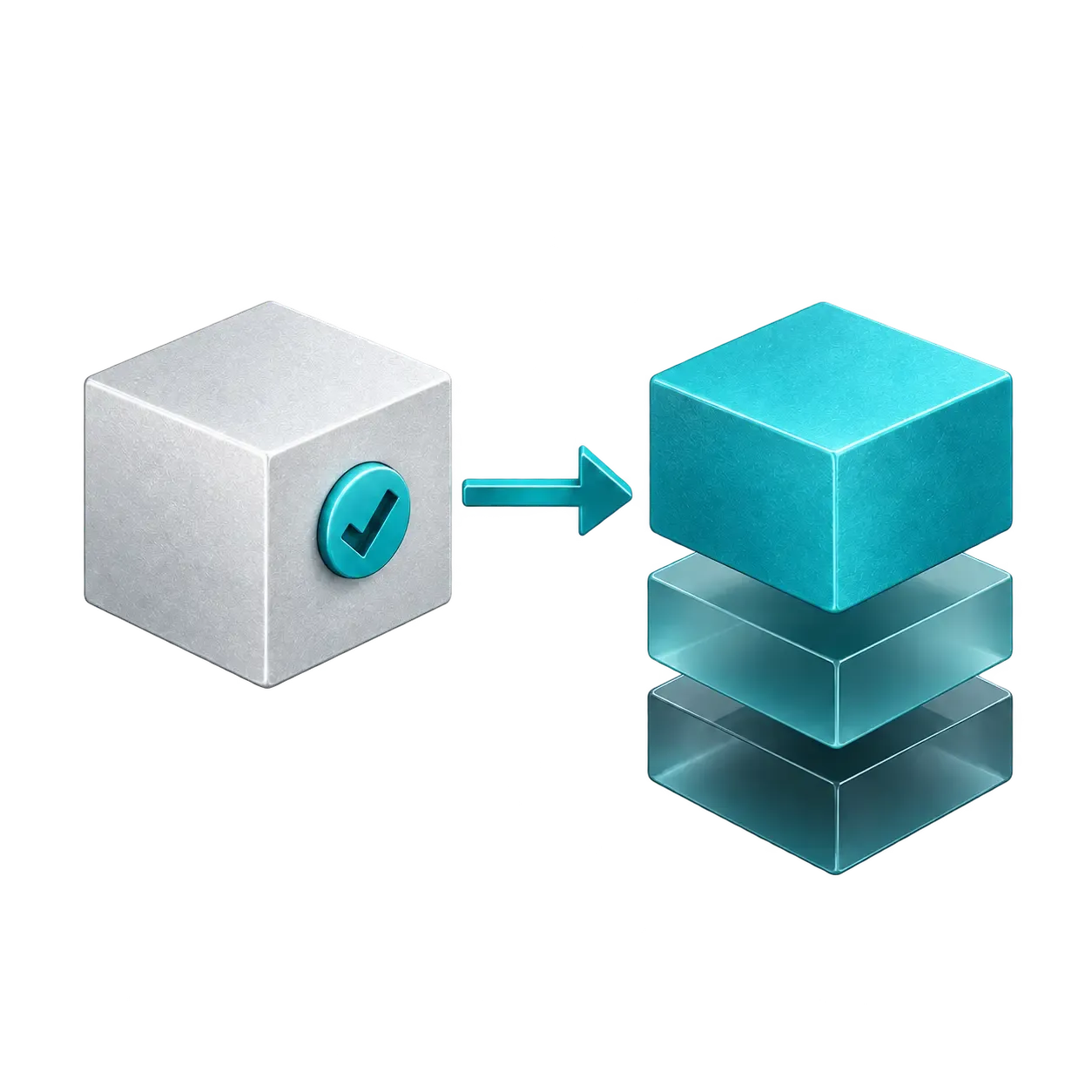
A liquidity provider can start to work incorrectly. When that happens, Prime stops processing orders with the provider, removes it from the aggregation and reroutes its open limit orders to providers that still work. Your order stays live and you take no action.
In rare cases Prime finds no working provider for a limit order, or the order reaches its limit of rerouting attempts. Prime then rejects the order, and part of it may already sit in your account as a fill. Build a rule into your system that places a new order for the remaining amount.
Let's structure access around your flow.
Explore the platform or talk to our team, and we will show you exactly which venues your flow routes to and what that changes for your execution.

FAQ
What is smart order routing in crypto?
Smart order routing is software that decides where to send a crypto order and in what size. It checks prices and depth across several liquidity sources, then splits the order where that improves the average price. Institutional routers work across centralised liquidity providers and exchanges.
What does best execution mean in crypto?
Best execution means taking steps to get the best possible result for a client order. Price counts, and so do costs, speed, order size and the chance the trade executes and settles. In the EU, Article 78 of MiCA sets this duty for crypto-asset service providers that execute orders for clients.
Does CEX.IO Prime use smart order routing?
Yes. The Prime Liquidity best price execution algorithm routes each order to the best available price and splits it across top trading venues. You send one order through the portal, FIX 4.4, REST or WebSocket and track it as one order with one average price.
How does smart order routing reduce slippage?
A large order can take out the best price levels on one order book and fill the rest at worse prices. A router spreads the order across several sources, so each part fills closer to the top of its book. Your average price stays nearer to the market price.
What happens if a liquidity provider stops working?
Prime removes the provider from the aggregation and moves your open limit orders to other providers. In rare cases the reroute finds no working provider and Prime rejects the remaining order. Build a rule into your system that places a new order for the unfilled amount.
Which order types can I route through CEX.IO Prime?
Prime supports Market, Limit and Stop Limit orders. Limit and Stop Limit orders accept Good Till Cancel, Immediate or Cancel and Good Till Date. Your trading terms decide which types and pairs you can use, and the get_my_trading_conditions method shows them.
How does my fee setting affect routing?
With a floating fee you agree a maximum fee rate. A higher maximum lets Prime use more routes, so you reach more liquidity and can place larger orders. A lower maximum caps your cost and narrows the liquidity you see. You usually pay well below the maximum. Prime also offers a fixed rate you know before you trade.
What is the maximum order size?
Prime sets a minimum and maximum order size for every pair and publishes them on prime.cex.io/markets. It keeps the maximum close to USD 1 million equivalent and reviews it weekly, or sooner when prices move sharply. For larger blocks, speak to your account manager.
Can I see how Prime executed my order?
Yes. Every execution report shows the average price, the filled amount in both currencies, the fee and server timestamps. The Statement Transactions method returns one ledger of operations across CEX.IO products. Your team can use this data for its own execution analysis.
Does smart order routing work 24/7?
Prime Liquidity runs 24/7 with no holidays. Maintenance usually happens once a week or once a month and takes under an hour. Prime announces it in advance and cancels active orders during the window, so plan to place them again once it ends.
How do I connect to CEX.IO Prime?
Sign an agreement, complete onboarding and test your integration in the DEV and UAT environments. Prime then issues production credentials for FIX 4.4, REST or WebSocket, or you trade in the web portal. A public Node.js client helps with the REST and WebSocket setup.